TamilRa
164 Tamil films from five decades, chosen for the whole household.
Most viewed
View all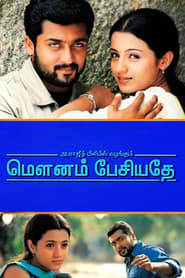 6.9 24 votes
Mounam Pesiyadhe (2002)
Suriya, Trisha Krishnan · 168 min
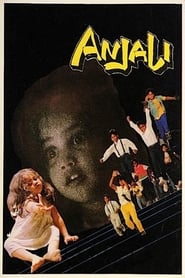 7.3 23 votes
Anjali (1990)
Shamili, Tarun · 150 min
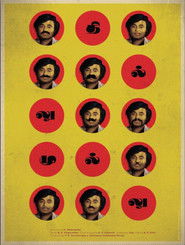 7.0 19 votes
Thillu Mullu (1981)
Rajinikanth, Madhavi · 145 min
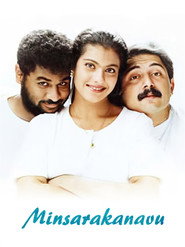 6.6 15 votes
Minsara Kanavu (1997)
Arvind Swamy, Prabhu Deva · 145 min
 6.1 15 votes
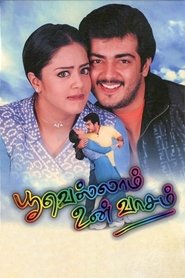
Poovellam Un Vasam (2001)
Ajith Kumar, Jyothika · 158 min
 7.4 15 votes
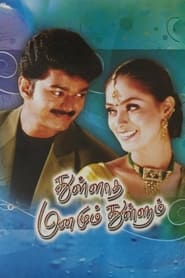
Thulladha Manamum Thullum (1999)
Vijay, Simran · 170 min
 7.5 12 votes
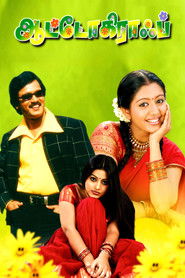
Autograph (2004)
Cheran, Gopika · 167 min
 6.6 11 votes
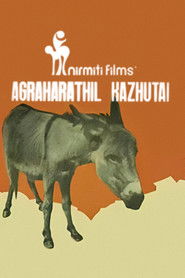
Agraharathil Kazhutai (1977)
M. B. Sreenivasan, Swathi · 90 min
 7.3 10 votes
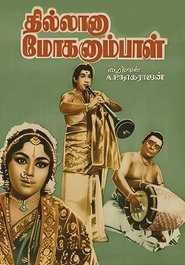
Thillana Mohanambal (1968)
Sivaji Ganesan, Padmini · 175 min
 7.1 9 votes
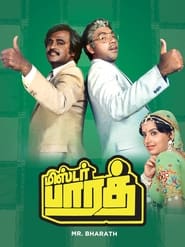
Mr. Bharath (1986)
Rajinikanth, Sathyaraj · 146 min
The stars
View all 7.2 9 votes
Mannan (1992)
Rajinikanth, Vijayashanti · 162 min
 7.0 8 votes
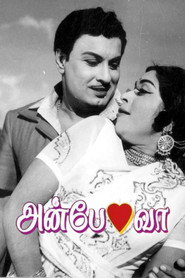
Anbe Vaa (1966)
M. G. Ramachandran, B. Saroja Devi · 175 min
 8.3 8 votes
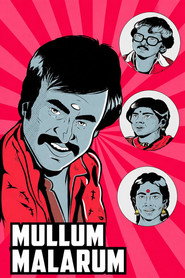
Mullum Malarum (1978)
Rajinikanth, Shoba · 135 min
 7.7 7 votes
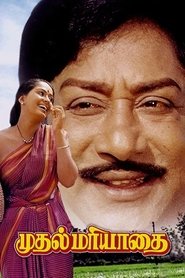
Mudhal Mariyathai (1985)
Sivaji Ganesan, Radha · 160 min
 6.2 6 votes
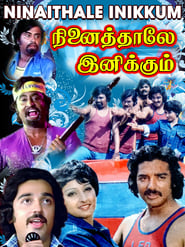
Ninaithale Inikkum (1979)
Kamal Haasan, Rajinikanth · 141 min
- 6.2 6 votes
Ninaithale Inikkum (1979)
Kamal Haasan, Rajinikanth · 141 min
 8.0 5 votes
Vazhvey Maayam (1982)
Kamal Haasan, Sridevi · 158 min
 6.8 5 votes
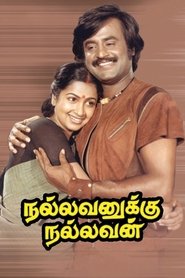
Nallavanukku Nallavan (1984)
Rajinikanth, Radhika Sarathkumar · 175 min
Comedy
View all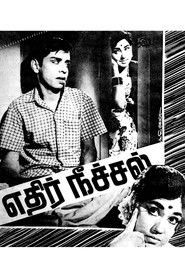 7.6 5 votes
Ethir Neechal (1968)
Nagesh, R. Muthuraman · 165 min
 6.8 4 votes
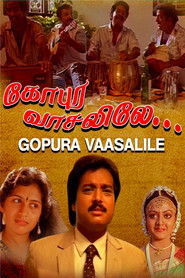
Gopura Vasalile (1991)
Karthik, Bhanupriya · 142 min
 7.0 4 votes
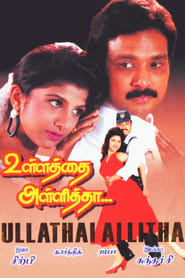
Ullathai Allitha (1996)
Karthik, Rambha · 145 min
 7.9 4 votes
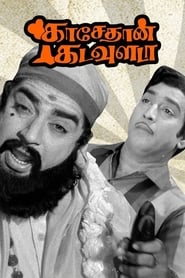
Kasethan Kadavulada (1972)
R. Muthuraman, Lakshmi · 120 min
 7.5 4 votes
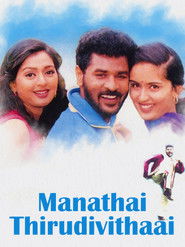
Manadhai Thirudivittai (2001)
Prabhu Deva, Kausalya · 151 min
 5.5 4 votes
Lucky Man (1995)
Karthik, Sanghavi
Music and dance
View all 6.6 5 votes
Kannukkul Nilavu (2000)
Vijay, Shalini · 160 min
 6.4 4 votes
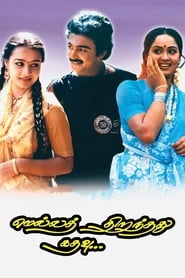
Mella Thirandhadhu Kadhavu (1986)
Mohan, Radha · 142 min
 7.0 4 votes
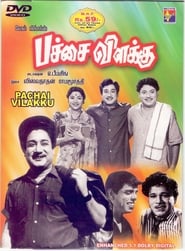
Pachai Vilakku (1964)
Sivaji Ganesan, C. R. Vijayakumari · 155 min
 6.3 3 votes
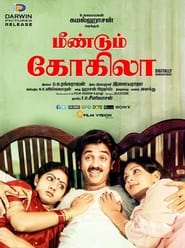
Meendum Kokila (1981)
Kamal Haasan, Sridevi · 139 min
 7.7 3 votes
Andha 7 Naatkal (1981)
K. Bhagyaraj, Ambika · 137 min
 8.0 3 votes
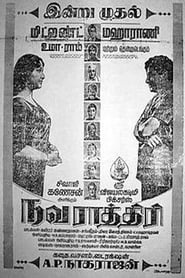
Navarathiri (1964)
Sivaji Ganesan, Savitri · 166 min
Classic Tamil cinema: the TamilRa guide
TamilRa: classic Tamil films from 1956 to 2004, from Mullum Malarum, Thillu Mullu and Anjali to Thillana Mohanambal, Anbe Vaa, Kadhal Kottai and Autograph
Tamil cinema is one of the oldest and largest film industries in the world. Its studios in Madras, now Chennai, have been making sound films since 1931, and its stars have been loved with a devotion that few countries can match; two of them went on to govern the state. TamilRa is a guide to 164 Tamil films made between 1956 and 2004, the half-century from the first colour films to the eve of the digital age. Each has its own page, with its story, its cast and a Watch now button that leads to the official services carrying it in your country.
The catalogue has been chosen for the whole household. Each title was read through by hand, and the selection favours family dramas, comedies, love stories and musical films. Crime stories, horror, war films, devotional films and anything meant for adults only were left out. What remains is the heart of the classic Tamil film: 26 films with Sivaji Ganesan, 11 with M. G. Ramachandran, the early work of Kamal Haasan and Rajinikanth, the village films of the 1980s and the gentle love stories of the 1990s.
This guide introduces the films by star, by director, by kind and by decade, and ends with plans for a first week. Each section links to a short help page, and the How to watch page sums up the simple steps from a row on the board to the official service.
How TamilRa looks
TamilRa keeps the look of the site whose name it carries, which was a discussion forum. The page is pale grey, with a blue band across the top for the name and the search box and a darker bar beneath it for the menu. The films are set out as a forum sets out its topics: in rows inside white boxes, each row with a small poster, the title and year, the two leading actors and the running time, and, at the right-hand edge, the average rating and the number of votes.
The first box, Most viewed, lists the ten films with the most votes. Below it come boxes for the stars, for comedy and for music and dance. The column at the side holds a numbered list of the ten top-rated films, a Browse list of every board with the number of films in each, and the help pages. On a telephone the side column moves below the boxes and the menu folds into a button.
Fifty years in a few paragraphs
The Tamil film of the 1950s and 1960s was made in the great studios of Madras: AVM, Gemini, Vijaya-Vauhini and Modern Theatres. Films were long, with eight or ten songs, and they were written by some of the best writers in the language. Two actors divided the audience between them. Sivaji Ganesan, trained on the stage, was the actor's actor, famous for his voice and for the range of his characters. M. G. Ramachandran, known as MGR, was the hero of the poor, always the fisherman, the farmer or the rickshaw puller who stands up for what is right. The catalogue holds 24 films from these two decades.
In the 1970s a new generation arrived. The director K. Balachander made films about middle-class city life and introduced two young actors, Kamal Haasan and Rajinikanth. At the end of the decade Bharathiraja took the camera out of the studio and into real villages, J. Mahendran made quiet, truthful dramas, and a young composer named Ilaiyaraaja changed the sound of film music. The 1980s, with 32 films here, were the years of these directors and of dozens of musical romances built on Ilaiyaraaja's songs.
The 1990s, the largest shelf with 47 films, brought the composer A. R. Rahman, brighter colours, younger heroes and a wave of sweet-natured love stories. Ajith Kumar and Vijay, the two biggest stars of the present day, both began their careers in these films. The catalogue closes in 2004 with Autograph, a film that looks back over a lifetime, which seems a fitting place to stop.
Sivaji Ganesan
The Sivaji Ganesan board is the largest of the star boards, with 26 films, and the Sivaji Ganesan help page suggests an order for them. Sivaji Ganesan (1928 to 2001) acted in nearly three hundred films and was honoured in India and in France. He took his screen name from a stage part, the Maratha king Shivaji, and he brought the power of the stage with him: a magnificent voice, exact diction, and a delight in transformation.
Thillana Mohanambal, from 1968, directed by A. P. Nagarajan, is the film to begin with. Sivaji plays Shanmugasundaram, a proud master of the nadaswaram, the long temple pipe of South India, and Padmini, herself a celebrated dancer, plays Mohanambal, a Bharatanatyam dancer equally proud of her art. They fall in love and challenge each other to a contest of music and dance. The film is a treasury of the classical arts of Tamil Nadu, and its comic characters, played by Manorama and Nagesh, are as fondly remembered as its lovers.
The transformations come next. In Navarathiri, from 1964, his hundredth film, he plays nine different men met by a runaway bride on the nine nights of a festival. In Deiva Magan, from 1969, he plays a father and his two sons; it was the first Tamil film that India submitted for the Academy Awards. In Bale Pandiya, a comedy shot in under a fortnight, he plays three parts, and in Gauravam he plays both a celebrated barrister and the nephew who opposes him in court.
The family dramas directed by A. Bhimsingh were the great successes of the early 1960s, and four are here: Padikkadha Medhai, about a faithful servant of little schooling; Padithal Mattum Podhuma; Bandha Pasam; and Pachai Vilakku. With them belong Parthal Pasi Theerum, Kai Kodutha Deivam, Deiva Piravi, Irumbu Thirai, about two brothers on opposite sides of a dispute in a mill, and Uyarndha Manidhan, his hundred and twenty-fifth film.
Later films show him in maturity. Vietnam Veedu, from 1970, is about a company executive, "Prestige" Padmanabhan, who retires and finds that his household has little time for him. Vasantha Maligai, from 1972, is a grand romance in colour that ran for months. Pattikada Pattanama, whose title means village or city, sets a country husband beside a wife educated abroad, with Jayalalithaa. Rajaraja Cholan, the first Tamil film in CinemaScope, tells of the great Chola king who built the temple at Thanjavur. And Mudhal Mariyathai, from 1985, directed by Bharathiraja, gave him a last great part as a village elder who finds friendship late in life.
MGR
The MGR board holds eleven films, and the MGR help page sets them in order. M. G. Ramachandran (1917 to 1987) was more than a film star. His screen character, cheerful, brave, kind to his mother and to the poor, a man who neither drinks nor smokes, was so trusted that he became chief minister of Tamil Nadu in 1977 and held the office until his death.
Alibabavum 40 Thirudargalum, from 1956, is the earliest film in the catalogue and a landmark: the first Tamil film made entirely in colour. MGR is Alibaba, the woodcutter who learns the magic words that open the bandits' cave, and Bhanumathi is the quick-witted Marziana. Anbe Vaa, from 1966, the first colour film of the AVM studio, is his most charming comedy: a tired industrialist goes to rest at his own bungalow in the hills of Shimla, finds that his caretaker has rented it out, and takes a room as a paying guest in order to be near the daughter of the family.
Padagotti, from 1964, is set among two fishing villages at odds, with songs that are still sung on the coast. Ulagam Sutrum Valiban, from 1973, which MGR directed himself, sends a scientist's brother round the world, with scenes filmed in Japan, Singapore, Hong Kong and Thailand, and it was one of the biggest successes of its time. Rickshawkaran, from 1971, brought him the National Award for best actor. Mattukara Velan, in which he is both a cowherd and a lawyer, En Annan, Kadhal Vaaganam, Urimai Kural, Uzhaikkum Karangal and Indru Pol Endrum Vaazhga complete the board.
Kamal Haasan
The Kamal Haasan board holds fifteen films, and the Kamal Haasan help page follows his career from the beginning. And it begins early: in Kalathur Kannamma, from 1960, he is a child of five or six, playing an orphan who is in truth the son of the hero and heroine, and he won the President's gold medal for it. Two years later he appears as a small boy in Parthal Pasi Theerum, beside Sivaji Ganesan, Gemini Ganesan and Savitri.
As a young leading man in the late 1970s he could do everything: dance, sing, play comedy and break hearts. Uyarnthavargal, from 1977, casts him and Sujatha as a couple who can neither hear nor speak and who bring up a child. Ninaithale Inikkum, from 1979, is a musical about a band on tour in Singapore, with Rajinikanth as his fellow musician. Neela Malargal, Thaayillamal Naanillai and Ram Lakshman, in which his best friend is an elephant, are family entertainments of the same years.
Vazhvey Maayam, from 1982, with Sridevi, is one of the best-loved romantic dramas of its decade, and stands near the top of the Top rated list. Meendum Kokila, also with Sridevi, is a comedy of married life in which a lawyer is dazzled for a while by a film actress. Simla Special is about two friends who run a comedy theatre troupe; Japanil Kalyanaraman, from 1985, takes its hero and a party of tourists to Japan; and Uyarndha Ullam, Per Sollum Pillai and Maharasan complete the list.
Rajinikanth
The Rajinikanth board holds thirteen films, and the Rajinikanth help page introduces them. Rajinikanth, born in 1950, was a bus conductor in Bangalore before he studied acting in Madras, and he became the most popular star in the history of Tamil cinema, known everywhere simply as the Superstar. The films here come from his first fifteen years, when he was still proving how good an actor he was.
Mullum Malarum, from 1978, the first film directed by J. Mahendran, has the highest rating in the whole catalogue. Rajinikanth plays Kaali, who operates the winch of a cable trolley at a power station in the hills. He and his sister Valli were orphaned as children, and he has brought her up; she is the centre of his life. A new engineer arrives, a calm, fair man whom Kaali takes at once for an enemy. The title means "the thorn and the flower", or "even a thorn will bloom", and the film is a study of a proud man's love, photographed by Balu Mahendra with music by Ilaiyaraaja. Rajinikanth has often named it as the favourite among his own films.
Thillu Mullu, from 1981, directed by K. Balachander, is the opposite in every way: his first full comedy. Chandran gets a job with a boss who admires moustaches, old-fashioned manners and young men who keep well away from sport. Caught at a football match, he invents a clean-shaven twin brother, and must then play both. Thengai Srinivasan is splendid as the boss, and the film remains one of the funniest in the language.
From the years of stardom come three family entertainments produced by AVM or directed by S. P. Muthuraman: Nallavanukku Nallavan, Mr. Bharath, in which a son matches wits with the father who abandoned his mother, and Mannan, from 1992, in which a factory worker marries his own haughty employer. Anbulla Rajinikanth is a curiosity with a tender heart: he plays himself, the film star, befriending a sick child at a home for children. Annai Oru Alayam, Kavikkuyil, Vanakkathukuriya Kathaliye and Naan Adimai Illai are others, and he appears with Kamal Haasan in Ninaithale Inikkum and Thaayillamal Naanillai.
The directors
Seven films in the catalogue were directed by K. Balachander, more than by anyone else, and the Directors help page begins with him. Balachander (1930 to 2014) came from the theatre, and several of his films began as his own plays. Ethir Neechal, from 1968, is one: Maadhu, an orphan, lives under the staircase of a large house and runs errands for every family in it in return for his meals and his college fees. Nagesh, the finest comedian of his time, plays him with a mixture of humour and sadness that the actor himself counted as his best work. Bama Vijayam, from 1967, is a comedy about three sisters-in-law who run up debts to impress a film actress who has moved in next door, and Poova Thalaiya, whose title means heads or tails, sets a son-in-law against a formidable mother-in-law.
His later films in the catalogue are Ninaithale Inikkum, Thillu Mullu, Pudhu Pudhu Arthangal, from 1989, about a popular singer who slips away from fame for a while, and Azhagan, from 1991, in which a widowed hotel owner with four lively children, played by Mammootty, finds that three women admire him at once. Balachander's people talk quickly and think for themselves, and the women in his films are as strongly drawn as the men.
Bharathiraja, with five films, is the poet of the Tamil village. Before him, villages were built in studios; he filmed in real ones, with their dust, their dialect and their festivals. Alaigal Oyivadhilai, from 1981, whose title speaks of waves that roll on for ever, is a story of first love in a fishing village between a Hindu boy and a Christian girl, and it introduced the actors Karthik and Radha. Mann Vasanai, "the scent of the soil", Kadalora Kavithaigal, "poems by the seashore", in which a rough young man is changed by a schoolteacher, and Vedham Pudhithu, a plea for friendship across the lines of caste, are in the same spirit, and Mudhal Mariyathai crowns them.
Cheran, with four films, is the heir of both men. Porkkaalam, from 1997, is about a potter and the sister he hopes to see well married. Vetri Kodi Kattu, from 2000, follows two men from different villages who are cheated by an agent promising work abroad, and who each go to the other's home to keep the truth from their families; it received a National Award. Pandavar Bhoomi is about a family that returns to rebuild its house in the village. And in Autograph he directs himself.
Other names recur. A. Bhimsingh and A. P. Nagarajan belong to the age of Sivaji Ganesan. S. P. Muthuraman directed five films here, most of them for Rajinikanth and Kamal Haasan. K. Bhagyaraj, who writes, directs and acts in comedies of small-town life, made Indru Poi Naalai Vaa, Andha 7 Naatkal and Dhavani Kanavugal. Fazil brought a quiet touch from Kerala to Poove Poochooda Vaa, Arangetra Velai and Kannukkul Nilavu; Vikraman made the warm family hits Unnidathil Ennai Koduthen, Vaanathaippola and Unnai Ninaithu; and Mani Ratnam is represented by Anjali.
Anjali
Anjali, from 1990, stands second in the Most viewed box, and it is the film in the catalogue most often shown to children. A young couple with two children live in a new block of flats. The mother gave birth to a third child two years before and was told that the baby had died. In fact the little girl, Anjali, is alive, and has a condition that affects her mind; her father has been caring for her in secret, afraid of what the truth would do to his wife. When Anjali comes home, her brother and sister, the other children of the building and the neighbours must all learn how to love her.
Mani Ratnam filmed much of the story from the height of a child's eyes, with a large cast of children who sing, quarrel and roam the building at night. The music was the five hundredth film score of Ilaiyaraaja. The film won three National Awards, including those for its child actors, and it was India's submission for the Academy Awards that year. Parents should know that the ending is sad, and that it is handled with great gentleness.
Romance
The Romance board holds 79 love stories, and the Romance help page picks out the best. Kadhal Kottai, from 1996, whose title means "the fortress of love", has one of the cleverest ideas in Indian cinema. Kamali loses her bag at a railway station. A stranger, Surya, posts it back to her with a note. She writes to thank him, he replies, and through letters and, later, telephone calls, the two fall in love, though neither has seen the other's face. They pass each other in the street; they even quarrel as strangers. The film, with Ajith Kumar and Devayani, won the National Awards for best Tamil film, best direction and best screenplay.
Autograph, from 2004, is told by a man on the eve of his wedding who travels to invite the people who have mattered in his life: the girl he adored at his village school, the young woman he loved as a student in Kerala, and the friend who restored his courage when he was at his lowest. It is a film about gratitude more than regret, and one of its songs, a hymn to perseverance sung by K. S. Chithra, won a National Award and is sung in schools.
Idhayam, from 1991, is the classic story of a shy medical student who struggles to find the words to speak to the girl he loves. Minsara Kanavu, from 1997, is a bright musical triangle: a young woman who wishes to become a nun, the childhood friend who loves her, and the cheerful hairdresser he hires to help win her; the music by A. R. Rahman and the dances of Prabhu Deva won National Awards. Jay Jay, from 2003, turns on a hundred-rupee note on which a young woman writes her name, trusting that fate will bring it back to the man she met for one day. 12 B, from 2001, shows what happens to a young man's life if he catches a certain bus, and what happens if he misses it, both at once.
Many more wait on the board: Mounam Pesiyadhe, the first leading part of Trisha, opposite Suriya; Thulladha Manamum Thullum, in which a struggling singer secretly works to pay for the operation that will restore a young woman's sight; Nee Varuvai Ena; Poovellam Kettuppar, in which a young couple must end a feud between two musical families; Parthibhan Kanavu; Azhagiya Theeye, a light comedy about a pretended marriage; Roja Koottam; Piriyadha Varam Vendum; Unnai Ninaithu; Mella Thirandhadhu Kadhavu; Panneer Pushpangal, a tender story of school days; and, from 1959, Kalyana Parisu, the first film of the director C. V. Sridhar and the model for a hundred later triangles.
Comedy
The Comedy board holds 36 films, and the Comedy help page arranges them by period. Tamil comedy has always depended on its great supporting comedians, who often have a story of their own running beside the main one. In the 1960s and 1970s these were Nagesh, thin and quick as a spring, the commanding Manorama, who appeared in more than a thousand films, Thangavelu, Cho and Thengai Srinivasan. Galatta Kalyanam, from 1968, sets Sivaji Ganesan the task of finding husbands for three sisters before he can marry the fourth. Kasethan Kadavulada, from 1972, whose title means "money is god", is a farce about a young man, a strongbox and a false holy man. Muhammad bin Tughluq is a famous political satire by Cho, in which a medieval sultan comes back to life and enters modern politics.
In the 1980s and 1990s the pair Goundamani and Senthil ruled, joined later by Vadivelu and Vivek. Indru Poi Naalai Vaa, from 1981, is about three friends who all fall for the girl who has moved in next door and take turns trying to impress her family. Arangetra Velai follows three people out of work who share a house and a telephone number that keeps receiving someone else's calls. Lucky Man, from 1995, brings the lord of the afterlife and his accountant down to earth to recover a lost ledger. Ullathai Allitha, Chinna Mappillai, V.I.P, Pistha, Thai Porandaachu, Middle Class Madhavan and Kumbakonam Gopalu are cheerful films in the same line.
Family films
The Family board is the broadest, with 112 films, since nearly every Tamil film of these years is in some way about a family. The Family help page sorts them. A favourite subject is the bond between brothers and sisters. Mullum Malarum is its masterpiece. Anandham, from 2001, the first film of the director Lingusamy, is about four brothers who run a provision shop and live under one roof, with Mammootty as the eldest. Vaanathaippola, from 2000, in which an elder brother gives up his own happiness to bring up three younger ones, won the National Award for wholesome entertainment. Samuthiram, Kannupada Poguthaiya, En Annan and Porkkaalam belong beside them.
Films about households include Varavu Ettana Selavu Pathana, whose title is a proverb about earning eight coins and spending ten, a comedy of a clerk's family living beyond its means; Koodi Vazhnthal Kodi Nanmai, on the pleasures of living together; Aahaa..!, a bright film about a joint family preparing for a wedding; Patti Sollai Thattathe, in which a grandmother has the last word; and Poove Poochooda Vaa, from 1985, in which a lonely old lady's life is transformed by the arrival of a mischievous granddaughter. The grandmother is played by Padmini, the dancer of Thillana Mohanambal, in her last great part.
There are thoughtful films for older viewers as well. Sandhya Raagam, from 1989, directed by Balu Mahendra, follows an old man from the village who goes to live with his nephew's family in a small city flat; it is filmed in black and white, with hardly a raised voice, and it won a National Award. Marupakkam, from 1990, about a son who comes home to his ailing father, was the first Tamil film to win the national prize for the best film of the year. Agraharathil Kazhutai, from 1977, in which a professor adopts a young donkey and takes it to his village, is a fable that has been studied in film schools ever since.
Music and dance
The Music and dance board gathers nineteen films whose heroes and heroines are singers, dancers and players, and the Music and dance help page lists them. Songs are the soul of Tamil cinema. For the first thirty years of the catalogue the leading composers were M. S. Viswanathan and K. V. Mahadevan, whose melodies for Sivaji Ganesan and MGR are still broadcast every morning. T. M. Soundararajan sang for both stars, changing his voice a little for each, and P. Susheela, who sang for nearly every heroine, won the first National Award given to a woman singer for a song in Uyarndha Manidhan.
From 1976 the music of Ilaiyaraaja, who joined the folk tunes of his village to the orchestra of the West, made a whole kind of film possible: the story of a singer. Payanangal Mudivathillai, from 1982, about a young singer and the woman who believes in him, ran for more than a year on the strength of its songs. Mella Thirandhadhu Kadhavu, Andha 7 Naatkal, Pudhu Pudhu Arthangal, Kodai Mazhai, about a schoolgirl who longs to dance, and Meendum Kokila are others.
A. R. Rahman arrived in 1992, and his scores are heard here in May Madham, Love Birds, Minsara Kanavu, En Swasa Kaatre and Sangamam, from 1999, in which a classical dancer and a troupe of folk performers begin as rivals and end as partners; it is a festival of the drums and dances of the Tamil countryside. After a film, the songs are easy to find on the official music services, and many households keep a playlist for each decade.
Ajith and Vijay
The Ajith and Vijay board holds nineteen films, and the Ajith and Vijay help page divides them between the two. Today these are the giants of Tamil cinema, the stars of large action films. In the 1990s they were slim young men in love stories, and their admirers are fond of these early films. Ajith Kumar is seen in Amaravathi, from 1993, his first Tamil film as a hero, and in Pavithra, Kalloori Vaasal, Minor Mappillai, Kadhal Kottai, Rettai Jadai Vayasu, Uyirodu Uyiraga, Poovellam Un Vasam, a story of two neighbouring families who are the best of friends, and Raja.
Vijay is seen in Deva, Coimbatore Mappillai, Kaalamellam Kaathiruppen, Ninaithen Vandhai, Endrendrum Kadhal, Thulladha Manamum Thullum, Kannukkul Nilavu and Puthiya Geethai. Each film here belongs to one star or the other, and Ajith also makes a guest appearance in Unnidathil Ennai Koduthen and Nee Varuvai Ena.
Other faces to know
Beyond the great stars, a company of fine actors fills these films. Karthik, who appears in nine, was the easy, smiling hero of the late 1980s and 1990s, at home in village romance and city comedy alike: Alaigal Oyivadhilai, Gopura Vasalile, Ullathai Allitha, Pistha, Lucky Man and Unnidathil Ennai Koduthen show his range. Sathyaraj, in eight, began as a villain and became a hero with a dry wit; he is the reformed tough of Kadalora Kavithaigal, the village elder of Vedham Pudhithu and the Gurkha watchman of Anna Nagar Mudhal Theru. Prabhu, the son of Sivaji Ganesan, is the gentle hero of Chinna Mappillai, Arangetra Velai and Middle Class Madhavan.
Prashanth, in six films, was the college hero of the late 1990s, and Prabhu Deva, the finest dancer in Indian cinema, turns Minsara Kanavu, Love Birds, V.I.P and Manadhai Thirudivittai into displays of movement. Murali, the quiet lover of Idhayam, is also the potter of Porkkaalam. Mammootty, the star from Kerala, leads Azhagan and Anandham, and Suriya and Madhavan appear at the very start of their careers.
Among the actresses, Sridevi, who went on to become the leading lady of Hindi cinema, is seen in seven early films, among them Vazhvey Maayam, Meendum Kokila and Kavikkuyil. Radha and Revathi were both discovered by Bharathiraja. Sneha, with seven films, was the favourite heroine of the early 2000s, graceful in Autograph, Parthibhan Kanavu and Unnai Ninaithu; Simran, Devayani, Jyothika and Meena led the 1990s; and Radhika Sarathkumar has played strong, sensible women for forty years.
And then there are the comedians and the character actors, the true owners of many scenes. Nagesh and Manorama have been mentioned. M. N. Nambiar, the courteous villain of the films of MGR, appears in six. Nassar, in six, can be a father, a schemer or a clown as required. V. K. Ramasamy, Thengai Srinivasan, Goundamani, Senthil, Vadivelu and Vivek each have a way of speaking that audiences can imitate by heart, and a good part of the pleasure of these films, for those who grew up with them, lies in waiting for a favourite face to walk through the door.
The golden age
The 1950s and 1960s board holds the 24 oldest films, and the The golden age help page introduces them. Most are in black and white, which suits them: the lighting of the Madras studios was among the best in Asia, and faces such as those of Savitri, Padmini and Saroja Devi glow on the screen. Kalyana Parisu, Kalathur Kannamma, Parthal Pasi Theerum, Navarathiri, Kai Kodutha Deivam and Ethir Neechal are the essential ones, with Thangamalai Ragasiyam, a fairy-tale adventure whose title means the secret of the golden mountain.
The actresses of the period deserve a paragraph of their own. Savitri, who appears in six films here, was called the queen of acting, and could move an audience with a glance. Padmini was a dancer of the first rank. Saroja Devi was the laughing heroine of Anbe Vaa and Padagotti. And J. Jayalalithaa, the lively partner of both great stars in seven films of the catalogue, among them Galatta Kalyanam, Pattikada Pattanama and Mattukara Velan, later followed MGR into politics and served as chief minister of Tamil Nadu for many years.
A viewer new to these films should expect a different rhythm. They run two and a half or three hours. The speeches are long and beautifully phrased, because audiences came to hear fine Tamil spoken. The songs carry the feeling of each scene, and the comedy has a thread of its own. Watched over two evenings, with the songs enjoyed as songs, they are deeply satisfying, and grandparents will often know every line.
Decade by decade
The Decade by decade help page describes the five boards that arrange the catalogue by date. The 1970s holds 26 films: the late work of the two great stars, such as Vietnam Veedu, Vasantha Maligai and Ulagam Sutrum Valiban, and the first films of the new wave, Agraharathil Kazhutai, Kavikkuyil, Mullum Malarum and Ninaithale Inikkum.
The 1980s holds 32: Thillu Mullu, Alaigal Oyivadhilai, Vazhvey Maayam, Payanangal Mudivathillai, Mann Vasanai, Mudhal Mariyathai, Poove Poochooda Vaa, Mr. Bharath, Vedham Pudhithu and Sandhya Raagam. It was the decade of Ilaiyaraaja and of the village.
The 1990s is the largest board, with 47 films, from Anjali, Idhayam, Azhagan and Gopura Vasalile at its start, through Mannan, May Madham, Kadhal Kottai, Ullathai Allitha, Minsara Kanavu and Porkkaalam, to Thulladha Manamum Thullum, Sangamam and Poovellam Kettuppar at its close. 2000 to 2004 holds 35, among them Vaanathaippola, Vetri Kodi Kattu, Anandham, 12 B, Azhagi, Mounam Pesiyadhe, Five Star, Jay Jay, Parthibhan Kanavu, Azhagiya Theeye and Autograph.
The Top rated board gathers the 41 films rated 7 or more out of ten by viewers around the world, and the numbered list beside the home page shows the first ten. Mullum Malarum, Parthal Pasi Theerum and Vazhvey Maayam stand at 8 or above.
Finding a film
The Finding titles help page explains the several ways to find a film on TamilRa. The search box in the blue band accepts a title and shows matching films as you type. Tamil titles are written here in English letters, and the same film may be spelt in two or three ways elsewhere, so it is best to type only the first few letters: "thill" finds Thillu Mullu and Thillana Mohanambal together, "kadhal" finds seven films, and "uyar" finds Uyarndha Manidhan, Uyarndha Ullam and Uyarnthavargal.
The Browse list beside the home page opens each board, the A-Z page lists all 164 films alphabetically with their years, and the Tamil Movies page lists them by popularity. A few titles are in English or begin with a number, such as Anjali, Autograph, King, Raja, Five Star, Love Birds, Lucky Man and 12 B, and the year beside each one confirms the film.
What a title page shows
The page of every film follows one pattern. First come the poster, the title in English letters and in Tamil script, the year, the running time and the average rating. Then come a short account of the story, the genres, the director and the leading actors, and a row of related films from the same boards. The Watch now button opens the list of official services that offer the film in the country you choose.
Classic Tamil films are better served by official services than many people expect. The large streaming services hold a good number of films from the 1990s and after, several services specialise in Tamil cinema and carry the older catalogue of the great studios, and the rights holders themselves have placed many restored classics on their official video channels, free to watch with advertisements. Viewers in Sri Lanka, Singapore, Malaysia, the Gulf, Britain, Canada and the United States, where Tamil families have long been settled, will find the lists well stocked. English subtitles are common for the newer films and are being added steadily to the older ones.
The Add to My List button on each page sets a film aside for later. The list belongs to the browser on your own device, with neither an account nor a password to remember, and it opens from the My List link in the menu bar. The My List help page describes how to remove a film and how to move the list to a second device.
A few words of Tamil
Viewers who follow these films with subtitles will soon pick up some words. Anna is elder brother and thambi is younger brother; akka is elder sister and thangachi younger sister; amma and appa are mother and father. These words are used for friends and strangers as well, which is why a hero may call half the village his brother. Kadhal is love, the commonest word in the titles on the Romance board. Kalyanam is a wedding, pongal is the harvest festival in January, when rice is boiled in new pots and cattle are decorated, and a kolam is the pattern drawn in rice flour on the doorstep each morning.
Titles are often lines of poetry or proverbs. Mudhal Mariyathai means "the first honour", the mark of respect given to the chief man of a village at a festival. Payanangal Mudivathillai means that journeys go on for ever, in the hopeful sense that the road is always open. Ninaithale Inikkum means "sweet even to think of". Poove Poochooda Vaa is an invitation: "flower, come and be adorned with flowers". Knowing the meaning often tells you the mood of the film before it begins.
Tamil Nadu on screen
The films are a journey through the Tamil country. The temples of Madurai and Thanjavur, with their towers covered in painted figures, appear in Thillana Mohanambal and Rajaraja Cholan. The coast, with its catamarans and nets, is the world of Padagotti, Alaigal Oyivadhilai and Kadalora Kavithaigal. The cool hill stations of Ooty and Kodaikanal, with their lakes and eucalyptus woods, are where lovers sing in a hundred films, and where Mullum Malarum is set. The green villages along the river Kaveri are the country of Bharathiraja and Cheran.
The city of Madras changes before our eyes across the decades: the trams and studio streets of the 1950s, the scooters and flats of the films of K. Balachander, the new colleges, computer offices and coffee shops of 12 B and Jay Jay. And now and then the films go abroad, to Shimla in Anbe Vaa, to Singapore in Ninaithale Inikkum, to Japan in Japanil Kalyanaraman and round the world with MGR.
A first week
Here are seven evenings for a household new to classic Tamil cinema. On the first, watch Thillu Mullu, which asks only for a taste for laughter. On the second, Anjali, with the children. On the third, Kadhal Kottai. On the fourth, go back to 1966 for Anbe Vaa, in full colour. On the fifth, Mullum Malarum. On the sixth, Autograph, and on the seventh, give a long evening to Thillana Mohanambal.
A second week might hold Ethir Neechal, Vazhvey Maayam, Mudhal Mariyathai, Minsara Kanavu, Navarathiri, Indru Poi Naalai Vaa and Vaanathaippola. For grandparents, choose Parthal Pasi Theerum or Vietnam Veedu; for young children, Ram Lakshman, with its elephant, or Alibabavum 40 Thirudargalum; for music lovers, Sangamam or Payanangal Mudivathillai; and for admirers of today's stars, Amaravathi and Thulladha Manamum Thullum.
How the films were chosen
Every title on TamilRa was read through by a person before it was admitted. The selection keeps to family dramas, comedies, love stories and musical films, and films built on crime, horror, war or adult themes were set aside, as were devotional films, which deserve a guide of their own. Because Indian certificates are broad, each story was checked a second time. Some of the dramas deal with serious matters, illness, poverty, the loss of a parent, as the family films of every country do, and the page of each film describes its story plainly so that parents can judge.
TamilRa is a guide. It holds neither films nor files to download; every Watch now button opens an official, licensed service, so that the studios, artists and families who own these films are paid when you watch, and can afford to restore more of them. The descriptions are short and plain, the years and running times are confirmed in the public film databases, and the posters are the official ones.
Questions and answers
Questions
What is TamilRa?
TamilRa is a guide to 164 Tamil films made between 1956 and 2004, chosen for the whole household. Each film has a page with its story, year, running time, director and cast, and a Watch now button that leads to the official services carrying it in your country.
Which film should I watch first?
Start with Thillu Mullu, Anjali or Kadhal Kottai. The first-week plan in the guide suggests seven evenings.
Is the catalogue suitable for families?
Yes. Every film was screened by hand, and the selection keeps to family dramas, comedies, love stories and musical films.
Which stars have boards of their own?
Sivaji Ganesan has 26 films, Kamal Haasan 15, Rajinikanth 13 and MGR 11, and the early films of Ajith and Vijay share a board of 19.
Are the old films available with subtitles?
Many official services offer English subtitles, especially for films from the 1990s onwards. The services listed on each title page show what they provide.
How do I find a film when the spelling varies?
Type the first few letters of the title in the search box, or open the A-Z page, which lists all 164 films with their years.
How does My List work?
Press Add to My List on the page of any film. The list is kept by your own browser, free of charge, and the My List link in the menu bar opens it.
Does TamilRa host films or downloads?
TamilRa is a guide only. Every Watch now button leads to an official, licensed service.
